
Discover Monroe, North Carolina
A local guide to history, community, business, and things to do in Monroe, NC — the heart of Union County.
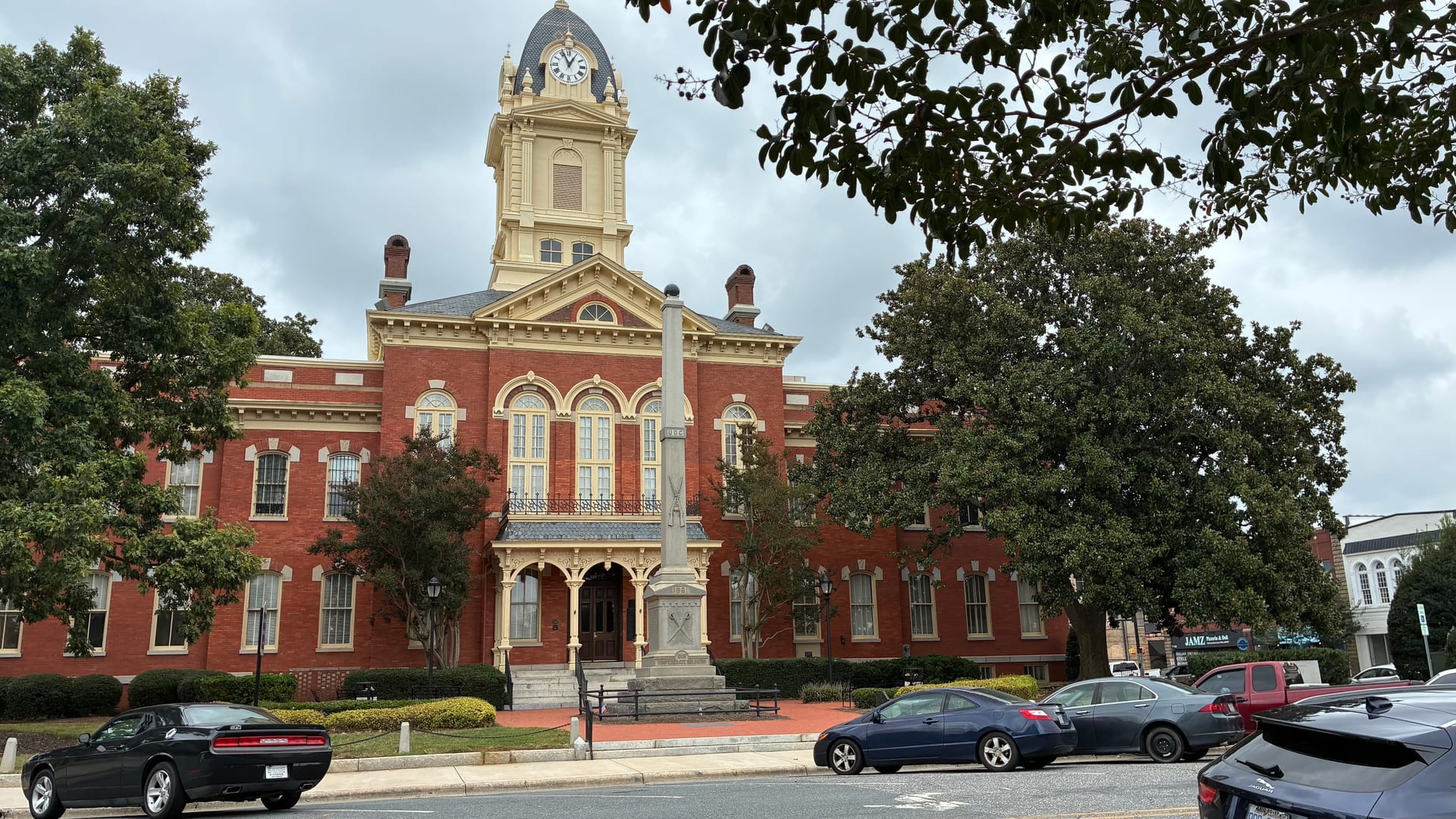
Monroe is the county seat of Union County in the southern Piedmont of North Carolina. Located southeast of Charlotte, Monroe brings together a historic courthouse square and downtown, established neighborhoods, growing retail corridors, parks and recreation, education and health services, and a diverse base of local and international businesses. It serves both as a community in its own right and as a commercial, civic, and cultural center for surrounding Union County.
About Monroe, North Carolina
The U.S. Census Bureau estimated Monroe's population at 42,644 on July 1, 2025. The official 2020 Census counted 34,562 residents, and the 2010 Census counted 32,797. Census Bureau estimates show a 23.1 percent increase from the 2020 estimates base to 2025. Population estimates and census counts use different methods, so the year and source should stay attached to each number whenever it is republished.
Monroe covers 30.61 square miles of land, according to 2020 Census geography, with a 2020 population density of 1,129.1 residents per square mile. These are city-limit figures, not Union County totals. Monroe's population and developed area continue to change as the city grows, so land-area and density figures should be updated when new Census geography becomes available.
The Census Bureau's 2020–2024 American Community Survey estimates 12,620 households in Monroe, with an average of 2.86 people per household. About 24.5 percent of residents are under age 18, 14.9 percent are age 65 or older, and 6.3 percent are under age 5. The figures describe a community with children, working-age adults, and older residents living alongside one another.
Monroe is a diverse community. In the 2020–2024 Census estimates, 30.9 percent of residents identified as Hispanic or Latino, 19.7 percent as Black alone, 47.6 percent as White alone, 1.5 percent as American Indian or Alaska Native alone, 1.0 percent as Asian alone, and 12.0 percent as two or more races. Hispanic or Latino is an ethnicity that may be reported with any race, so these Census categories overlap and should not be added together as if they were mutually exclusive. An estimated 17.8 percent of Monroe residents were born outside the United States, and 29.3 percent of residents age 5 and older spoke a language other than English at home.
Population and Demographics
The 2020–2024 American Community Survey estimates that 61.6 percent of Monroe's occupied housing units are owner-occupied. The median value of owner-occupied homes was $309,100; median monthly owner costs were $1,615 for homes with a mortgage and $578 for homes without a mortgage. Median gross rent was $1,246. These are Census survey estimates for 2020–2024, expressed in current dollars as defined by the source, and they are not individual property valuations or current rental listings.
Among Monroe residents age 25 and older, 82.6 percent had completed high school or an equivalent credential, and 24.1 percent held a bachelor's degree or higher, according to the same Census profile. The Census estimated that 94.7 percent of households had a computer and 92.6 percent had a broadband internet subscription. About 91 percent of residents age 1 and older were living in the same house one year earlier.
Monroe is home to educational opportunities ranging from public schools and workforce training to college programs. Union County Public Schools is headquartered in Monroe and describes itself as North Carolina's sixth-largest public school system, serving approximately 40,000 students at 53 schools with about 5,000 staff members across the county. That is a district-wide total, not the enrollment of Monroe schools alone. South Piedmont Community College serves the region with campuses in Monroe and other Union County locations, offering college transfer, career and technical education, continuing education, and workforce training. Nearby Wingate University adds another higher-education resource to the area.
Considering a move? See our Moving to Monroe and Living in Monroe guides for more on neighborhoods, schools, and community life.
History of Monroe NC
Monroe's story begins with the creation of Union County. In 1842, the North Carolina General Assembly formed Union County from parts of Mecklenburg and Anson counties. Commissioners selected a site near the center of the new county for the county seat, laid out a courthouse square, and incorporated Monroe in 1843. The city was named for James Monroe, the fifth president of the United States.
The courthouse square gave Monroe a civic center from its earliest years. Agriculture and trade shaped the young town, which served farmers and merchants across the surrounding Piedmont. The arrival of the railroad in the 1870s strengthened Monroe's role as a trading and transportation center and helped bring new industry, residents, and investment. Historic downtown streets and nearby residential districts still reflect those generations of civic, commercial, and architectural development.
Monroe also holds an important place in the history of the civil rights movement. Local Black residents organized for equal access to public facilities and challenged segregation in the 1950s and 1960s. Monroe civil rights leader Robert F. Williams helped bring national attention to the 1958 "Kissing Case," in which two Black boys, ages seven and nine, were arrested and convicted after a childhood incident involving a white girl. The case drew national and international attention to racial injustice in Monroe. Williams's work and the wider local struggle are part of the city's history and the larger story of civil rights in North Carolina. Learn more at the NC Department of Natural and Cultural Resources.
Downtown Monroe
Historic downtown Monroe offers a compact setting for exploring local architecture, shops, restaurants, public spaces, and cultural events. The historic Union County Courthouse anchors the center of town, while Main Street and surrounding blocks preserve the character of Monroe's former agricultural and commercial center. City-backed revitalization work and private investment have brought renewed attention to downtown storefronts and historic buildings.
Visitors can follow the city's downtown walking-tour materials and a roughly one-and-a-half-mile greenway loop that winds through historic downtown. The loop links Belk-Tonawanda Park with downtown sidewalks, markers, shops, and places to eat. The City reports nearly 350 on-street spaces and more than 1,000 spaces in public parking lots downtown; check posted signs and current city parking information before visiting.
The Dowd Center Theatre is a restored 1940s-era venue on South Main Street. It hosts a changing schedule of live performances, music, movies, and community events. Nearby, the Monroe Science Center offers hands-on experiences for children and adults. The Historic District's homes and streetscapes add to the city's architectural story, while the courthouse and Main Street have also served as backdrops for film crews.
Browse Monroe restaurants and dining or explore things to do in Monroe, NC for current recommendations.
Things to Do in Monroe NC
Monroe offers city parks, community centers, athletic facilities, greenway walking, swimming, golf, and access to city-owned lakes. City parks include Belk-Tonawanda Park, Dickerson Park, Sunset Park, Don Griffin Park, and Creft Park. Recreation options include the Monroe Aquatics and Fitness Center, with indoor aquatics and fitness facilities, and the city-operated Monroe Country Club golf course. Belk-Tonawanda Park includes a splash pad that operates seasonally; dates and hours change from year to year.
The Bearskin Greenway and the downtown loop provide places to walk, jog, or enjoy a short outdoor break. Monroe also owns three man-made lakes — Lake Twitty, Lake Monroe, and Lake Lee — which were built as part of the city's water supply system. Fishing and boating are permitted where and when access is open, subject to current city rules. Lake Twitty reopened for public recreation on weekends in August 2026; visitors should check the City of Monroe's current lake-access information for hours, rules, and seasonal changes before making a trip.
See our full Monroe attractions and activities guide for more outdoor options.
Events and arts
Monroe's community calendar changes throughout the year. Recurring events have included free Music on Main concerts, downtown car cruise-ins, a Fourth of July celebration, Juneteenth activities, Halloween Happenings, a Christmas tree lighting, and the Monroe Christmas Parade. The 2026 Christmas Parade is scheduled for Sunday, November 22, at 2 p.m.; the City describes the 2026 event as the 73rd parade and expects more than 100 floats, marching bands, classic cars, horses, and other entries. Confirm dates, routes, and details with the City of Monroe before traveling, since schedules can change.
The Charlotte-Monroe Executive Airport has hosted the Warbirds Over Monroe air show in past years, but the City says the air show will not take place in 2026. Check official event announcements before including it in a current calendar or travel plan. The Dowd Center Theatre and downtown venues present additional programs throughout the year.
Check our Monroe events calendar for upcoming community events.
Monroe and Union County
Monroe is a center for retail, government, manufacturing, logistics, healthcare, and services in Union County. U.S. 74 connects major shopping areas, local service businesses, restaurants, and employers. Downtown Monroe offers locally owned storefronts and dining, while the city's retail corridors include national chains and independent businesses. For the most useful local recommendations, browse current Monroe restaurant, hotel, and local business directories rather than relying on a static list that can quickly become outdated.
Manufacturing is a major part of Monroe's economy. The City's Office of Economic Development highlights precision manufacturing, aerospace, agribusiness, logistics, and commercial services among the area's business strengths. Monroe Corporate Center is positioned beside the Charlotte-Monroe Executive Airport and near South Piedmont Community College. Local company examples featured by Monroe's economic development office include ATI Specialty Materials, Greiner Bio-One, Windsor Windows & Doors, Ludwig Drums, Cyril Bath, ASSA ABLOY, CONMET, Scott Safety, and Coca-Cola Bottling Consolidated. This is a sample of established employers and manufacturers, not a complete list of every Monroe business.
Monroe's business community spans much more than large manufacturers. Independent restaurants, retailers, professional offices, health providers, contractors, hospitality businesses, and family-owned services contribute to daily life across the city. New shops and services open, change ownership, and close, so a regularly reviewed local business directory is more useful to residents and visitors than an unmaintained list.
Census economic data provide a dated snapshot of business activity. The 2022 Economic Census reported approximately $999.3 million in total retail sales for Monroe, or $27,746 per capita. It reported $177.5 million in accommodation and food-services sales, $554.6 million in healthcare and social-assistance receipts or revenue, and $131.0 million in transportation and warehousing receipts or revenue. These are industry totals from the 2022 Economic Census, not city government revenue, gross domestic product, or a current-year forecast.
The 2020–2024 Census profile estimated Monroe's median household income at $72,540 in 2024 dollars and per-capita income at $31,089. It estimated that 64.2 percent of residents age 16 and older were in the civilian labor force, the mean commute to work was 30.1 minutes, and 13.3 percent of residents were living below the poverty level. These are community-level statistical estimates, not a description of every household or worker.
Is your business listed on Visit Monroe? Learn about advertising with us to reach visitors actively planning a trip to Monroe.
Where Is Monroe NC?
U.S. 74 is Monroe's principal east–west commercial and travel corridor, and U.S. 601 provides a major north–south route. The Monroe Expressway is an all-electronic toll road about 18 miles long, connecting U.S. 74 near I-485 in Mecklenburg County with U.S. 74 between Wingate and Marshville in Union County. It provides a regional route through the U.S. 74 corridor; toll rates and payment rules should be checked with NCDOT before travel.
Charlotte-Monroe Executive Airport (EQY) is a city-owned, full-service general-aviation airport serving corporate, business, and private aircraft. The airport has a 7,000-foot runway, on-site rental cars, fuel, parking, a crew lounge, and U.S. Customs and Border Protection service available on demand. It is not a scheduled commercial passenger airport. Travelers using scheduled airline flights generally use Charlotte Douglas International Airport; check current maps and traffic before estimating drive time.
Planning an overnight stay? Browse all hotels in Monroe, NC.
Healthcare and public services
Monroe is an important healthcare center for Union County, with hospitals, medical plazas, physician offices, and specialist services in the city and surrounding area. The City of Monroe identifies Atrium Health Union and Novant Health services among local healthcare resources. Because clinic locations, provider availability, and services change, visitors and residents should confirm details directly with the healthcare organization.
The City of Monroe provides municipal services and information for residents, businesses, and visitors, including parks and recreation, utilities, public safety, solid waste, permitting, city events, and downtown parking. Union County government and services are also based in Monroe, reinforcing the city's role as the county seat.
Restaurants and Dining in Monroe NC
Monroe has a growing dining scene with options ranging from downtown restaurants to casual spots along the city's main commercial corridors. Downtown Monroe is home to locally owned restaurants including Italian dining, American comfort food, and neighborhood favorites. Along West Roosevelt Boulevard and other commercial areas you'll find Mexican food, barbecue, pizza, seafood, Chinese, and a variety of fast food and quick-service options. Monroe also has local breakfast spots, coffee shops, and bakeries.
Browse the full Monroe NC restaurant directory for addresses, phone numbers, and categories across all dining options in the city.
Hotels and Places to Stay in Monroe NC
Monroe has several hotels, most located along West Roosevelt Boulevard near US-74. Options include well-known national brands such as Fairfield Inn & Suites by Marriott, Holiday Inn Express & Suites, Quality Inn & Suites, Best Western, Days Inn, Super 8, Red Roof Inn, and Rodeway Inn. Several Monroe hotels offer complimentary breakfast, free Wi-Fi, free parking, and pools. Pet-friendly accommodations are available at select properties. Monroe's location about 25 miles southeast of Charlotte makes it a practical base for business travelers and visitors to Union County.
Compare all hotels in Monroe NC and find booking options for your stay.
Living in Monroe NC
Monroe combines a walkable historic downtown, local dining and shopping, a calendar of community events, family recreation, educational attractions, and a working business community. Use this guide as a starting point, then explore the current restaurant directory, hotel pages, event calendar, and business listings on VisitMonroeNC.com. Since population estimates, business information, event schedules, access to recreation areas, and travel conditions change, confirm time-sensitive details with the official organizations before you go.
Sources and data notes
- U.S. Census Bureau QuickFacts — Monroe city, NC
- U.S. Census Bureau 2020–2024 ACS Profile — Monroe city, NC
- City of Monroe — About Monroe
- City of Monroe — Tourism
- City of Monroe — Downtown Maps & Walking Tour
- City of Monroe — Parks
- City of Monroe — Events
- City of Monroe — 2026 Christmas Parade
- City of Monroe — Warbirds Over Monroe Air Show update
- Charlotte-Monroe Executive Airport (EQY)
- Monroe Office of Economic Development — Existing Businesses
- Union County Public Schools — District Facts
- NCDOT — Monroe Expressway
- NC DNCR — Robert F. Williams and the Kissing Case
Population figures: July 1, 2025 Census estimate. Housing and demographic profiles: 2020–2024 ACS estimates. City area and density: 2020 Census geography. Business sales: 2022 Economic Census.
Explore VisitMonroeNC.com